Loading article formatting. You can read the text below while it loads.
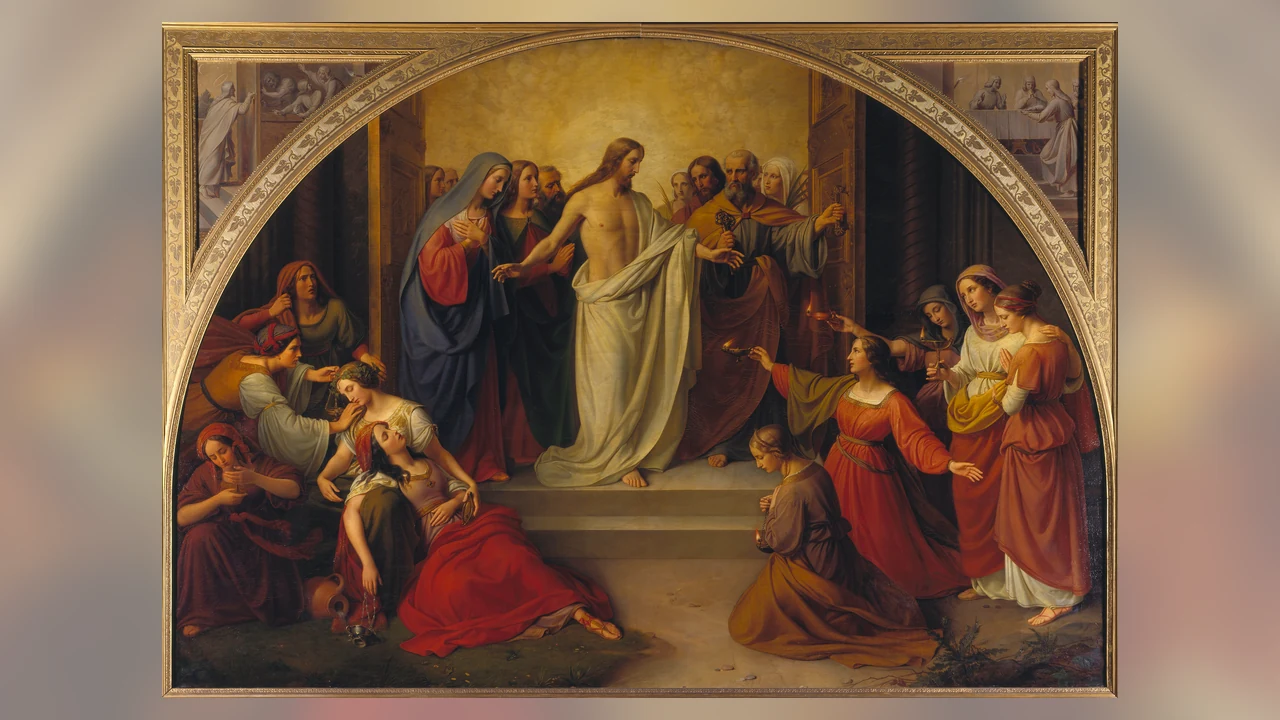
A phone at two percent can suddenly make us very serious about preparation. We know where the charger is. We have a backup battery. We will negotiate with a stranger for an outlet. The prayer we meant to start? That can wait until life settles down. In Sunday's Gospel, ten women are waiting for a bridegroom. All ten get tired and fall asleep. Jesus isn't scolding people for needing rest. The difference is what they brought with them: five have oil to keep their lamps burning when he arrives. Five don't. That detail brings the question uncomfortably close. What am I doing with the time God has given me? Make room before life gets quieter It is easy to imagine a future version of ourselves who prays regularly, forgives more readily, and finally makes it to confession. Apparently that person also has a much calmer calendar. But Jesus is calling the person we are today. He warns us about a door that will not remain open forever. Our choices matter, and we cannot assume that turning toward him can always wait. The oil is more than a lesson in being organized. Drawing on Saint Augustine, Pope Benedict XVI described it as love received from Christ and put into practice. Readiness grows as we welcome that gift and respond to it. Even the desire to begin comes from God's grace. Someone else can pray for us, encourage us, and walk beside us. They cannot make our response to Christ for us. A spouse's faith, a parent's prayers, or a favorite Catholic podcast can help. We still have to answer him. And the answer reaches into ordinary life. If prayer keeps getting pushed aside, give it an actual place in the day. If an apology is overdue, stop polishing the explanation and make it. That is what it means to give God your whole life, including the part you keep saving for later. Begin with the time you have The first reading describes Wisdom coming to meet those who seek her. We are not trying to get an indifferent God's attention. He is already drawing us toward him. So take five minutes with this Sunday's Gospel before opening the next app. Ask Jesus where you have been putting him off. Choose one response you can make today, and ask for the grace to make it again tomorrow. If that means returning to confession, check the parish schedule and plan to go. There is hope behind this urgency. Saint Paul tells grieving Christians to look to Jesus' death and resurrection. Their sorrow is real, but death does not have the final word. The Lord we are preparing to meet is the one who died and rose for us. We do not know how much time we have. We do have this day, and someone to love in it. Come, Holy Spirit. Help me recognize where I am putting off my response to Jesus. Give me the grace to pray honestly and love faithfully with the time I have today. Through Christ our Lord. Amen. Readings: Wisdom 6:12–16; Psalm 63:2, 3–4, 5–6, 7–8; 1 Thessalonians 4:13–18 (shorter option: 4:13–14); Matthew 25:1–13. Read the November 8 Mass readings at USCCB. The reflection draws on Benedict XVI's Angelus of November 6, 2011 and the Catechism's teaching on grace and our response, CCC 1996–2002.