Loading article formatting. You can read the text below while it loads.
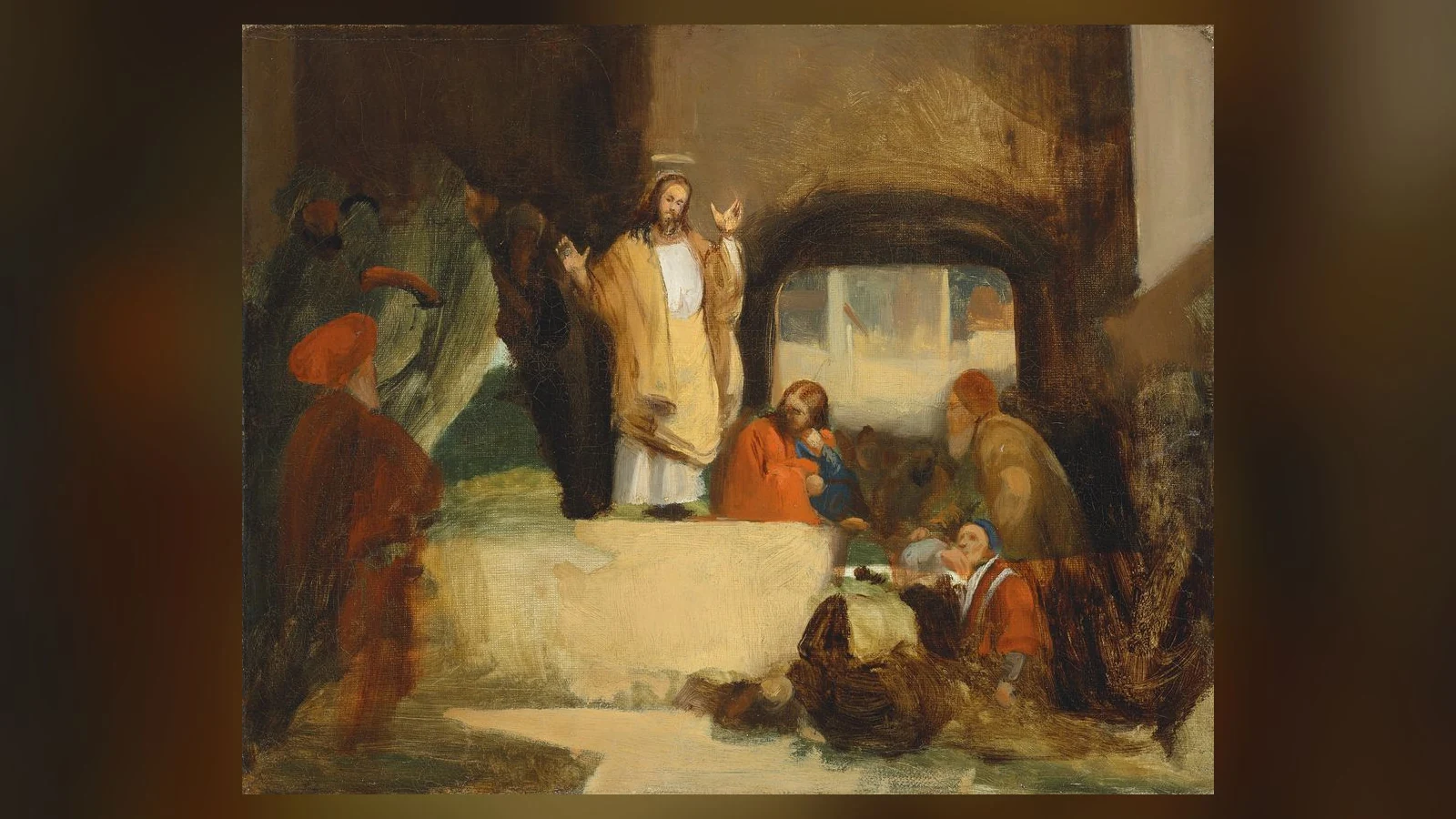
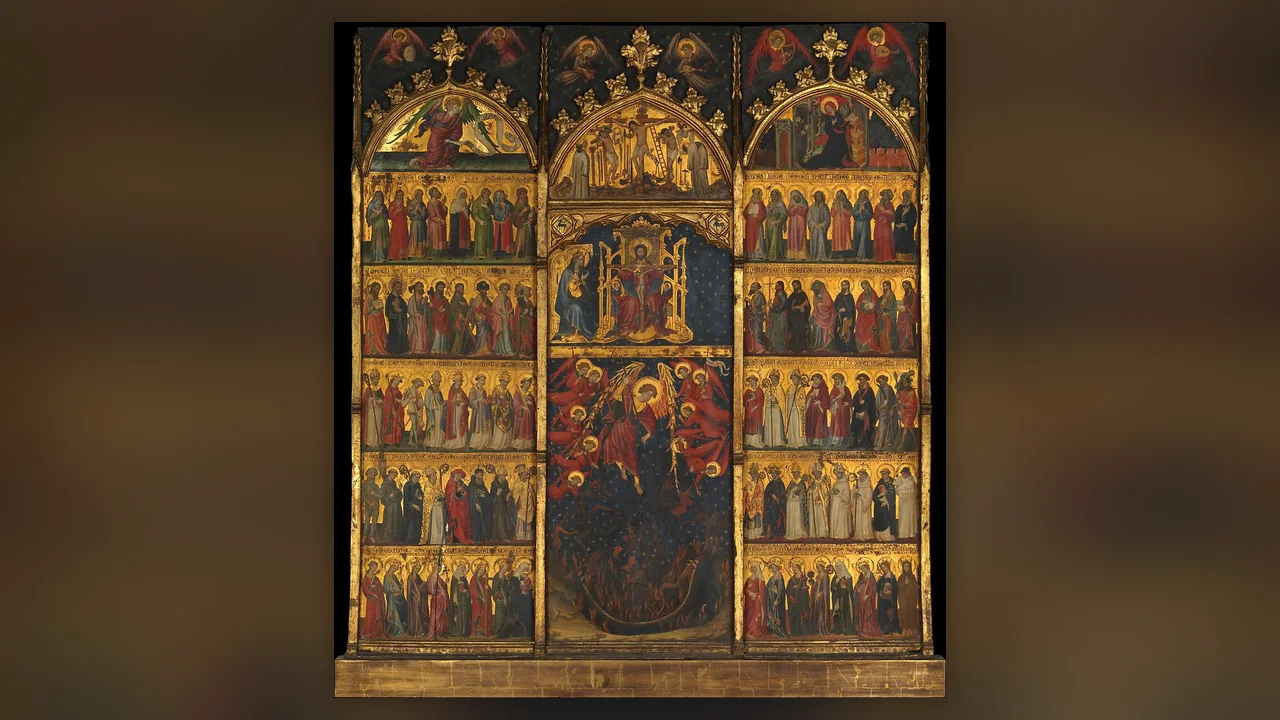
It’s easy to imagine being holy with a different schedule. A quiet house. Fewer bills. Twenty uninterrupted minutes to pray. It can feel like becoming a saint requires everyone else to leave us alone first. Then All Saints arrives, and the first reading gives us a crowd too large to count. People from every nation stand before God, praising him for their salvation. Whatever their differences, they all needed a Savior. So do we. We can admire the saints and still assume holiness belongs to someone with more patience or a much better prayer life. But God calls us, too. He knows our responsibilities and gives us the grace to grow in the life we actually have. Where Holiness Gets Practical In the Gospel, Jesus names the merciful, the peacemakers and the clean of heart among the blessed. The Beatitudes show us what his life looks like when it takes shape in us. They reach into choices we will have to make long before our circumstances change. That connects holiness to the things we keep waiting to get out of the way: the person who needs us, the difficult conversation, the interruption just as we finally sit down. Mercy might mean correcting someone’s mistake without making sure they feel small. Peacemaking might mean being the first to apologize after an argument, even when we’ve prepared an excellent case for why the other person should go first. We can spend a surprising amount of time waiting for someone else to become a saint. A clean heart is a heart learning to want what God wants. That reaches into what we watch on our phones, whether we tell the truth when a lie would be convenient, and whether we help someone without needing credit. As we saw in Love Someone in Particular, love of God reaches into how we treat the person in front of us. The Beatitudes help us recognize what that love asks of us today. Sometimes love requires a firm boundary or a hard conversation. We may need to change an unhealthy situation. We can ask for help with that and still ask God how to respond faithfully now. Begin Where You Are John reminds us that we are God’s children now. We can bring what still needs work to a Father who loves us and wants us to grow. This week, choose one Beatitude and one situation where you need to live it. Before the conversation, before opening the app, before answering the interruption, ask for God’s help. Then follow through. Keep making room for prayer and the sacraments. If you need confession, make a plan to go. And ask a saint to pray for you. Our conversation about the Communion of Saints explores why that friendship belongs in our life with Christ. At the end of the day, thank God for the good he helped you do. Ask forgiveness where you fell short. Begin again tomorrow. The house may still be loud. The bills may still be there. God can make a saint here, too. Come, Holy Spirit. Help me recognize where you are calling me to grow. Give me the grace to follow Jesus in the choices before me today. Through Christ our Lord. Amen. Sunday’s readings: Revelation 7:2–4, 9–14; Psalm 24:1bc–2, 3–4ab, 5–6; 1 John 3:1–3; Matthew 5:1–12a. Read the Mass readings at the USCCB. Grounded in the Solemnity of All Saints and the Catechism’s teaching on the Beatitudes, holiness and purity of heart (CCC 1717, 2013–2016, 2518–2520).