
Loading article formatting. You can read the text below while it loads.
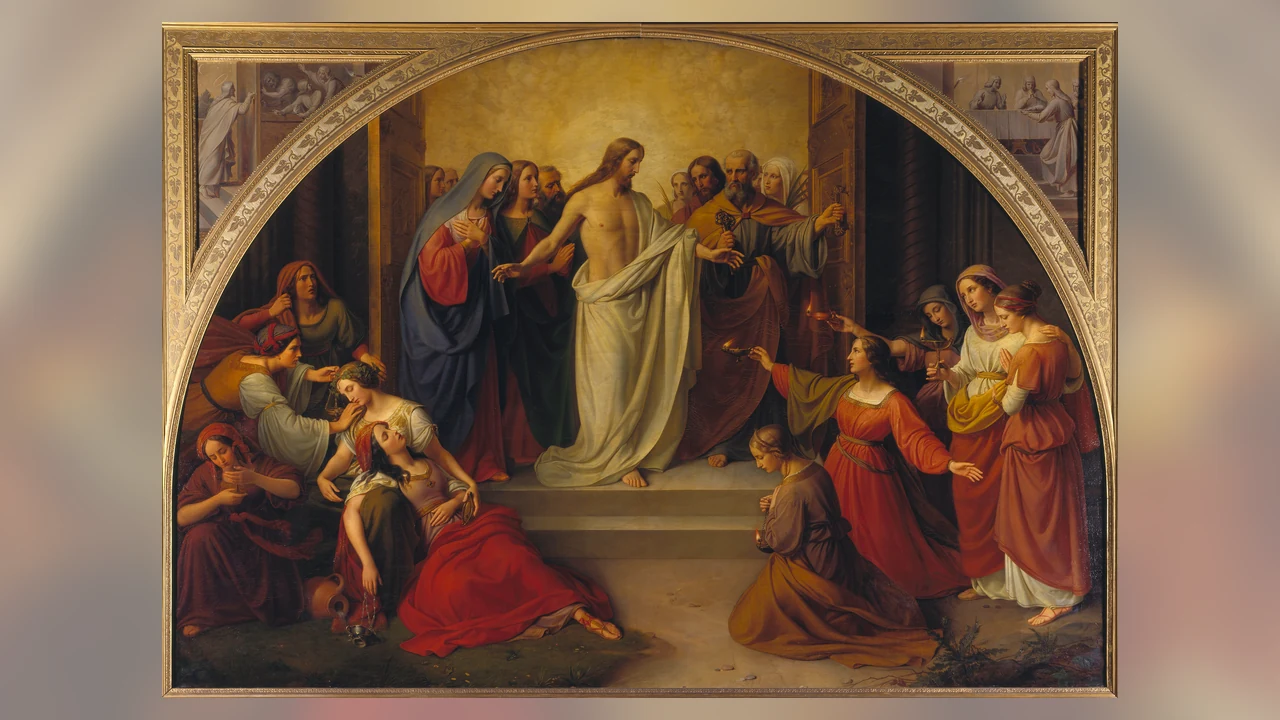
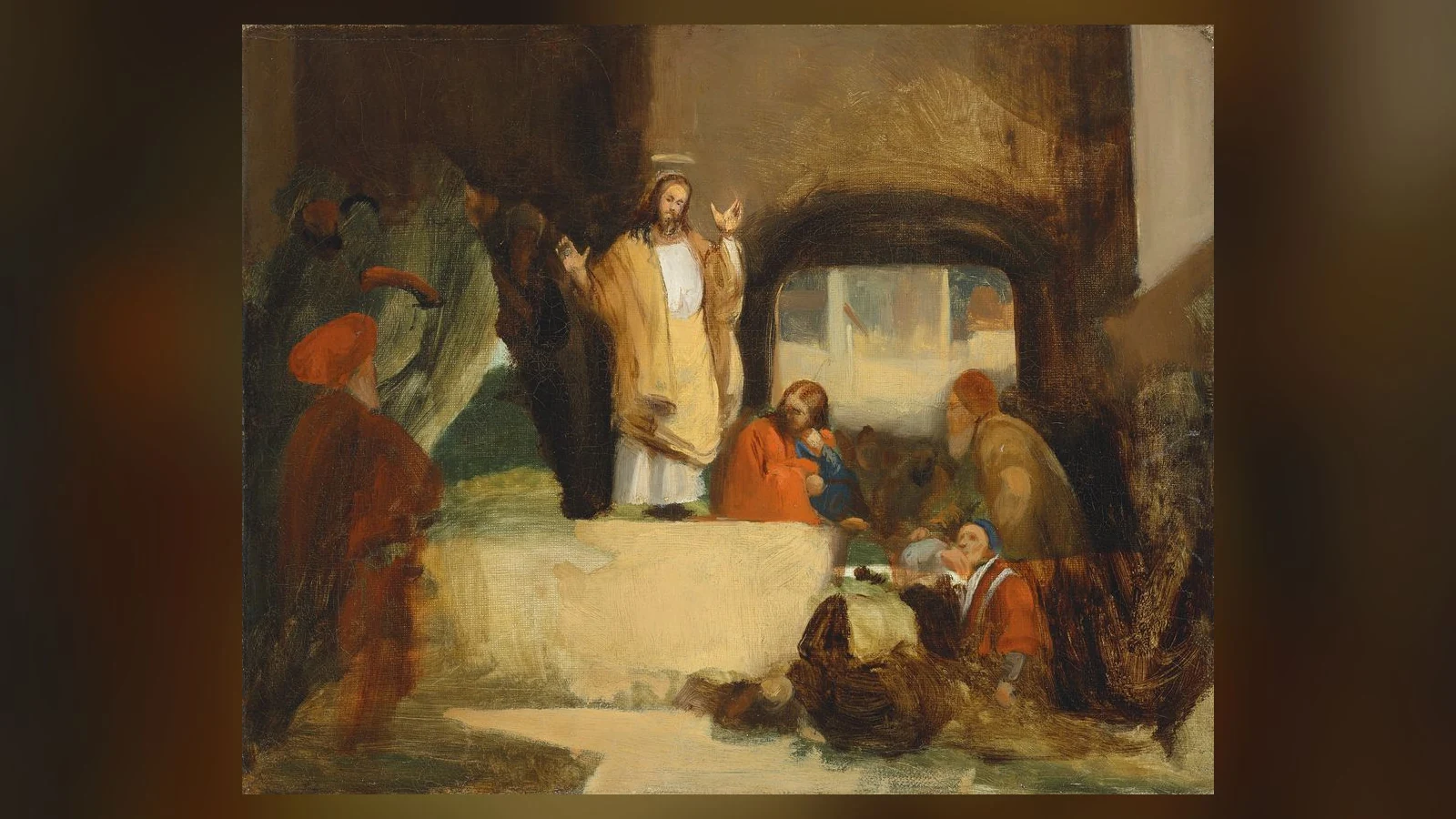
We can recommend a restaurant with remarkable confidence. We’ll explain what to order, where to park, and why the place that looks slightly questionable from the outside is actually excellent. Invite that same person to Mass, and suddenly we feel we should finish a theology degree first. There are good reasons to approach conversations about faith thoughtfully. But sometimes what looks like caution is fear wearing a respectable jacket. In Sunday’s Gospel, a master entrusts his wealth to three servants before leaving on a journey. Two put what they receive to work. The third digs a hole and buries it. When the master returns, he asks each servant to account for what he has done. A talent was a substantial amount of money. But Jesus is doing more than offering investment advice. He is teaching his disciples how to live while awaiting his return. What they have received comes with responsibility. And that raises a question for us: what, exactly, has Christ entrusted to us? What God Treasures God has no shortage of possessions. He doesn’t need us to increase his wealth. He desires our salvation, and he calls us to participate in his work of bringing others into life with him. That gives this parable a deeply personal meaning. Pope Francis, preaching on it during the Church’s Missionary Month, described our own lives and the lives of others as treasures God entrusts to our care. Our gifts belong within that responsibility toward people. His reflection connects the talents directly to missionary witness. Think about what you have received as a Christian. The Gospel. Forgiveness. The Eucharist. The Holy Spirit dwelling in you. A life that can be transformed by grace and become a witness to someone else. Commenting on this same parable, Pope Benedict XVI identifies those riches among Christ’s entrusted gifts. Then he makes a striking observation: “what Christ has given us is multiplied in its giving!” The Gospel was entrusted to us, not stored with us. It’s meant to be shared, not hoarded. A Gift with Someone Else in Mind Being a disciple means learning to live with Jesus. It also means allowing him to draw others toward himself through our lives. The Holy Spirit gives different gifts for that work. Some people teach clearly. Others have a way of making someone feel welcome before a single serious conversation begins. Some recognize the person standing alone. Others know how to listen without spending the entire conversation preparing their response. Those gifts need prayer, formation and discernment. They also need to be used. You might be the person a coworker trusts enough to admit that his marriage is struggling. You might be the friend who can invite someone back to Mass and offer to sit beside them. You might be the parent whose honest apology helps a child understand that repentance is something Christians actually practice. We should keep learning our faith. But we don’t have to know everything before sharing what Christ has already done in our lives. Andrew gives us a simple example. After encountering Jesus, he finds his brother Simon and brings him to the Lord. He shares the encounter through a relationship he already has. That is somewhere many of us can begin. The friend is still a friend, not a project. We aren’t collecting people or trying to win an argument. We’re learning to love someone in particular, including sharing the hope we have received and staying beside that person as the questions unfold. No one else can tell your story for you. It’s yours to share. Do you know it well enough to tell it? When Fear Picks Up the Shovel The third servant returns the money intact. He hasn’t squandered it. But he has refused to do anything with it. That should make us pause. We can become so concerned about getting faith wrong that we never offer anyone a glimpse of what is right and beautiful about it. “Someone else would explain it better.” “I don’t want to be awkward.” “I’ll wait until the timing is perfect.” Or the worst one, “What if they think I’m weird?” Sometimes waiting is wise. Or maybe, we’re asking God for an invitation that comes with no possibility of discomfort. Jesus’ warning is serious. Our choices matter, and we will answer for them. Yet the answer to fear isn’t frantic religious activity. It is trust in the One who gave us the gift and supplies the grace to use it. Plant Faithfully The servants with five talents and two talents receive the same praise. Each has been faithful with what he was given. That matters for disciple-making, too. Faithfulness cannot be reduced to the number of people who accept an invitation or return to church. St. Paul describes his work through another image: he plants, Apollos waters, and God gives the growth. We are responsible for the invitation, not the conversion. We are responsible, too, for the patience, prayer and love that accompany it. Another person’s freedom is real. So is God’s work beyond what we can see. A parent faithfully praying for a child who has left the Church has not failed because the story remains unfinished. Before Mass this Sunday, bring one person to the Lord in prayer. Ask what you have received that could serve that person. Then choose one faithful step: a conversation, an invitation, an offer to pray together, or time to listen. Keep it simple enough to do. Give it enough attention to follow through. Christ has placed something good in your hands. This week, let someone else receive something of his love through them. Prayer Come, Holy Spirit. Help me recognize what you have entrusted to me. Give me courage to share Christ, humility to listen, and patience to trust your work in others. Show me one faithful step, and give me the grace to take it. Through Christ our Lord. Amen.
Carry it into the week
Pray · Reflect · Act
- Pray
- Ask the Holy Spirit to show you the gifts he has given you.
- Reflect
- What gifts might the Holy Spirit be inviting me to recognize and develop?
- Act
- Choose one gift to put into practice this week. Ask the Holy Spirit for the courage to use it and the grace to grow in it.
Choose “Save as PDF” in your print dialog to keep a copy.